
How Much Does Attic Insulation Cost in Alberta? (2026 Price Guide)
Introduction
If you’ve started shopping for attic insulation in Alberta, you’ve probably noticed something surprising: prices vary widely.
One quote might be $2,000, another $6,000, sometimes even higher — often without a clear explanation. This is normal… but it can also make the decision confusing.
The cost of attic insulation in Alberta depends on several important factors: the size of the attic, the insulation material used, the condition of the existing insulation, attic accessibility, air sealing, and potential energy rebate programs.
Without understanding these factors, it’s difficult to know whether a quote is reasonable or not.
In this guide, we explain the real cost of attic insulation in Alberta in 2026, the rebates that may be available, and the most common factors that increase the price — sometimes unnecessarily.
The goal is not to sell you anything, but to give you clear and honest information so you can make the right decision for your home.
How Much Does Attic Insulation Cost in Alberta?
In 2026, attic insulation in Alberta typically costs between $1,500 and $7,000, depending on the type of home and the work required.
Because every attic is different, two quotes can look completely different while both are technically justified.
Here are some realistic price ranges based on common situations:
Small attic (townhouse, condo, simple access)
👉 $1,000 to $4,000
Standard detached home
👉 $2,000 to $7,000
Large attic, difficult access, or insulation removal required
👉 $7,000 and up
These prices usually include:
insulation materials
professional installation
increasing insulation levels to meet modern standards (R50 to R60)
minor adjustments required for installation
Why It’s Hard to Find a Clear Price Online
Unlike many home improvement projects, attic insulation is not a one-size-fits-all service.
Two homes with the same square footage can cost thousands of dollars more or less to insulate.
The most important factors that influence the price include:
the thickness and condition of existing insulation
the actual attic surface area
attic accessibility
whether old insulation removal is required
air sealing (gaps, electrical penetrations, attic hatches)
attic ventilation
This is why prices advertised online that start with “starting at…” are rarely representative of the final cost.
Be Careful With Prices That Are Too Low
A very low price is not always a good deal.
In many cases, a low quote may hide important details such as:
insufficient insulation thickness
missing air sealing work
ventilation issues left unaddressed
additional charges added later
A good price is not necessarily the lowest price — it’s the one that properly addresses the real condition of your attic and provides lasting energy efficiency.
Attic Insulation Cost by Insulation Type
The insulation material you choose affects not only the price but also long-term performance and durability.
There is no single solution for every home, but some materials perform better in attic applications.
Below are the most common insulation options used in Alberta.
Blown-In Fiberglass Insulation
Blown-in fiberglass is widely considered one of the most reliable and durable insulation materials for residential attics when properly installed.
Average Price (2026)
👉 $2.00 to $3.75 per square foot
Prices depend on insulation thickness, attic complexity, and the amount of preparation work required.
Advantages
Stable and inert material that does not degrade over time
Resistant to mold growth
Naturally fire resistant
Less attractive to rodents compared to some materials
Handles normal humidity fluctuations well
Maintains consistent performance over decades
Allows for strong long-term warranties
Disadvantages
Provides less air sealing if installed without proper preparation
Works best when combined with air sealing work
Ideal For
Most residential attics
Homeowners who want long-term performance and durability
Projects focused on energy efficiency and stability over time
👉 In most attic applications, blown-in fiberglass offers one of the best balances of durability, safety, and long-term performance.
If you want, I can also help you add the next sections that will massively increase your SEO traffic in Alberta, such as:
Attic insulation rebates in Alberta (2026)
Fiberglass vs cellulose attic insulation
How much insulation should your attic have (R-value guide)
Signs your attic insulation needs to be replaced
Those sections are what usually push an article like this to rank #1–#3 on Google for insulation searches.
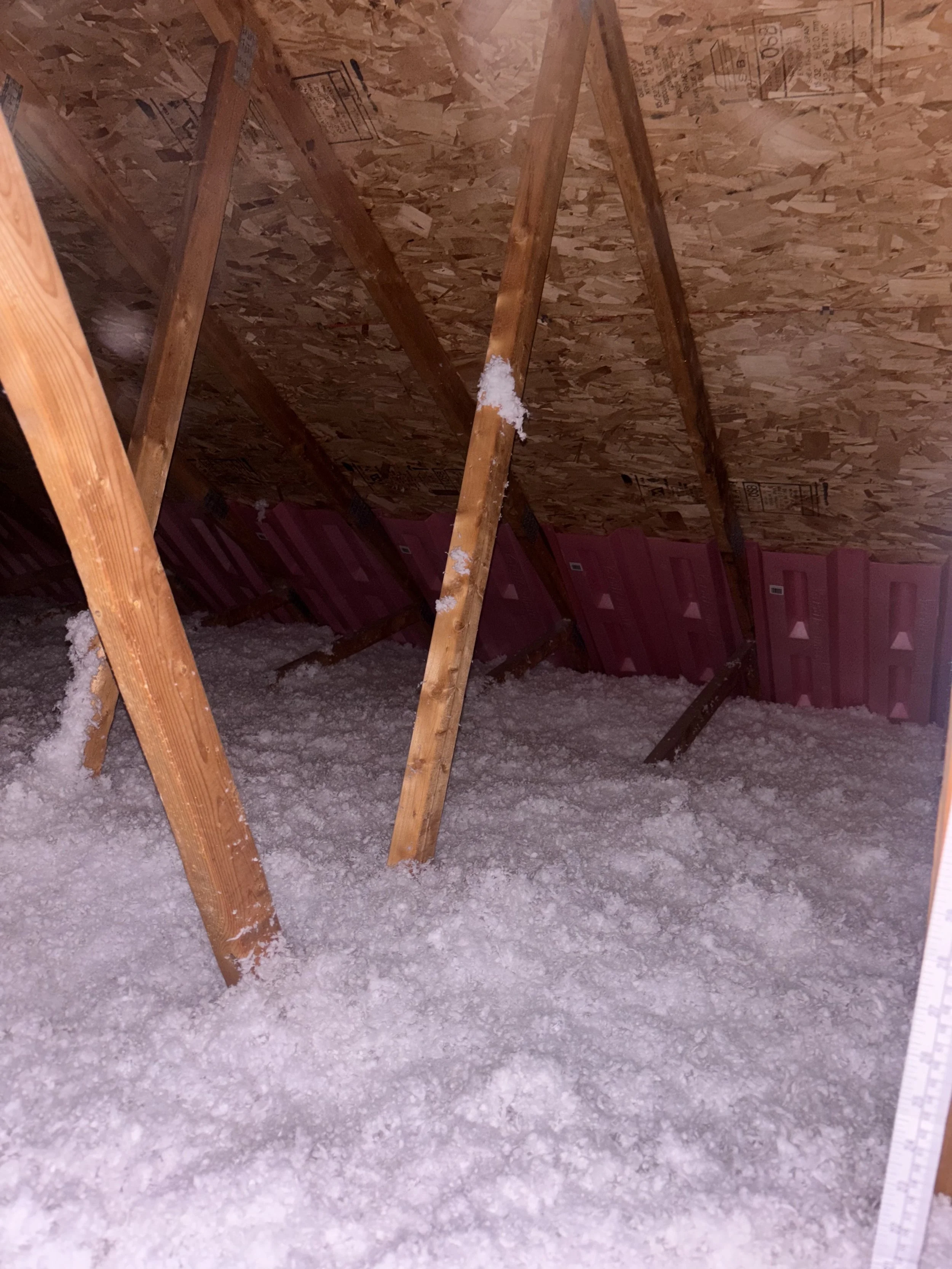
Blow fiberglass attic insulation
Cellulose Insulation
Cellulose insulation is widely used and well known, but its long-term performance depends more heavily on the conditions of the building.
Average Price (2026)
👉 $1.50 to $3.25 per square foot
Advantages
Good performance-to-cost ratio
Reduces heat loss effectively
Higher density than some alternatives
Often eligible for energy efficiency rebates
Fast installation
Disadvantages
More sensitive to moisture if attic ventilation is inadequate
Can settle over time
Organic material, which makes it less stable in the very long term
Performance can be less predictable in older or irregular attics
Best Used For
Cellulose insulation is often better suited for:
Soundproofing walls and ceilings, where density is an advantage
Homes where moisture conditions are well controlled
Projects focused primarily on lower upfront cost
👉 In attics, cellulose can perform well, but it requires more controlled conditions to maintain long-term performance.
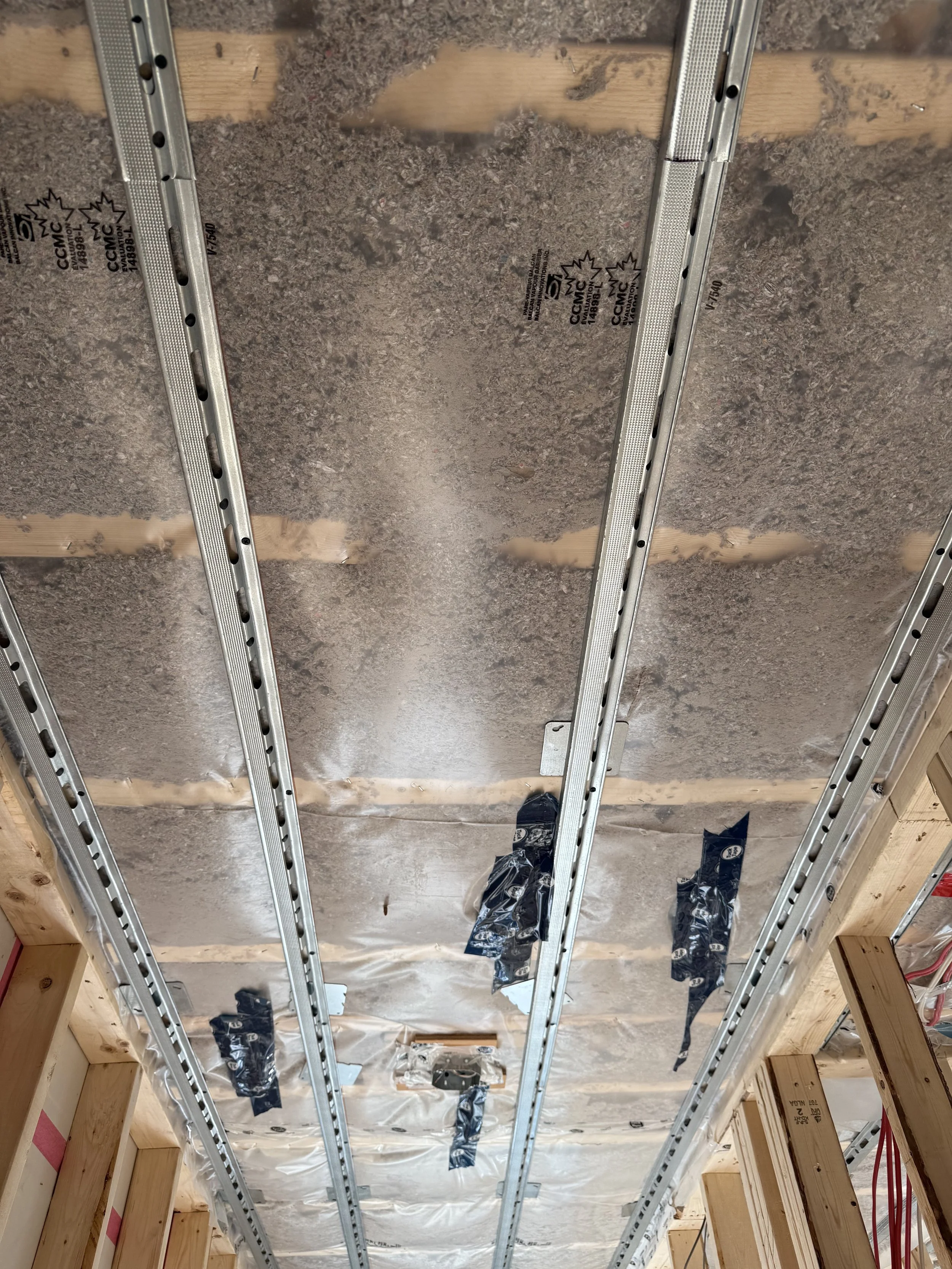
Ceiling sound proofing with cellulose
Spray Foam Insulation
Spray foam insulation is sometimes used in attics, but typically only in specific situations.
Average Price (2026)
👉 $1.40 to $1.80 per square foot per inch
(or higher depending on project size)
Advantages
Excellent air sealing performance
Acts as a vapor barrier
Very high insulation value (about R-6 per inch)
Can quickly correct major air leakage problems
Disadvantages
Very high cost
Often not eligible for rebates when applied to entire attics
Can create moisture issues if improperly designed
Often overkill for most attics
When It May Be Appropriate
Spray foam insulation may be considered when:
Attic access is extremely restricted
There are major air infiltration problems
The design has been validated by an experienced professional
👉 For most attics, spray foam insulation is unnecessarily expensive and excessive.
| Insulation Type | Price ($/sq ft) | Stability | Rebate Eligibility | Suitability for Attics |
|---|---|---|---|---|
| Fiberglass | ⭐⭐–⭐⭐⭐ | ⭐⭐⭐⭐⭐ | ✅ | ⭐⭐⭐⭐⭐ |
| Cellulose | ⭐⭐ | ⭐⭐⭐ | ✅ | ⭐⭐⭐ |
| Spray Foam | ⭐⭐⭐⭐⭐ | ⭐⭐⭐⭐⭐ | ❌ / Partial | ⭐⭐ |
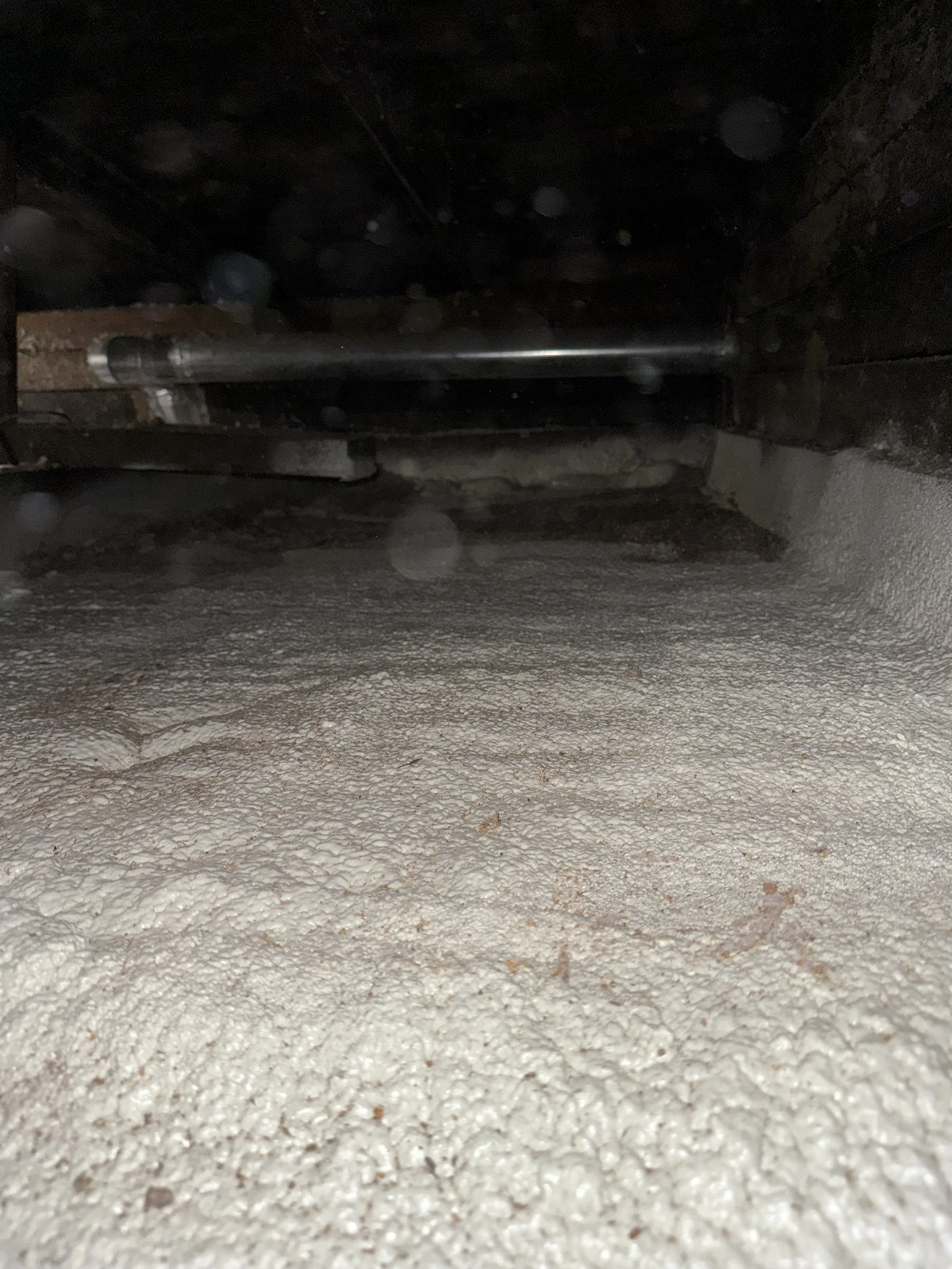
Spray foam attic insulation
Important Before Comparing Insulation Quotes
Two quotes using the same insulation material can vary significantly depending on:
the actual installed thickness
attic preparation work
whether air sealing is included
the quality of installation
Comparing insulation quotes based only on price per square foot is one of the most common mistakes homeowners make.
The 5 Most Common Mistakes That Increase Attic Insulation Costs
When it comes to attic insulation, some mistakes may seem minor at first but can have a direct impact on the final cost — or lead to expensive corrections later.
Unfortunately, these issues are not always explained during the quoting process.
Here are the most important ones to understand.
1. Adding Insulation Without Air Sealing
This is the most common mistake.
Adding insulation without sealing air leaks (electrical boxes, plumbing penetrations, attic hatches) is like insulating a house that is still leaking air through the ceiling.
The result: disappointing performance and wasted money.
Effective insulation always begins with air control, not just insulation thickness.
2. Ignoring Attic Ventilation
A poorly ventilated attic can quickly become problematic, even with good insulation.
Without proper ventilation:
moisture accumulates
insulation performance decreases
structural damage can appear over time
Some quotes include no ventilation improvements, which can lead to avoidable costs later.
3. Choosing the Lowest Price
A very low price may look attractive, but it is rarely representative of the complete work required.
Often, a low quote means:
less insulation thickness
no air sealing
inaccurate measurements
attic conditions not properly evaluated
The lowest price often becomes the most expensive option in the long run.
4. Assuming R-60 Is Always Better
Reaching R-60 insulation levels is not always the most cost-effective solution.
In some homes, increasing insulation beyond a certain level provides diminishing returns, while the cost continues to increase.
Good insulation should be adapted to the building, not blindly maximized.
5. Not Verifying Measurements On-Site
Quotes based only on rough measurements or incomplete photos can lead to:
price adjustments
unexpected additional work
mismatched expectations
A proper verification of attic conditions helps avoid surprises for both the homeowner and the contractor.
Is Attic Insulation Really Worth It?
Attic insulation is often considered one of the most cost-effective home improvements.
In many cases, this is true — but the benefits are often more gradual than people expect.
Where the Real Savings Come From
The attic is one of the largest sources of heat loss in a home.
When poorly insulated, a significant portion of heating energy literally escapes through the ceiling.
Proper attic insulation typically provides:
reduced heat loss
more stable indoor temperatures
improved comfort during winter and summer
Energy savings depend on factors such as:
the existing insulation level
the size of the home
the heating system
household energy use habits
A Long-Term Return on Investment
Unlike visible renovations, insulation improvements rarely produce immediate dramatic savings.
Instead, the benefits accumulate over time through:
lower energy bills
reduced strain on heating systems
improved overall comfort
For poorly insulated homes, attic insulation is often one of the most effective long-term upgrades.
Comfort Matters Too
Financial savings are not the only benefit.
Better attic insulation also means:
fewer cold spots
more even indoor temperatures
fewer drafts
a more comfortable home environment
For many homeowners, comfort improvements alone justify the project.
When Attic Insulation May Be Less Profitable
In some situations, the financial impact may be smaller.
Examples include:
an attic that is already well insulated
newer homes built to modern standards
heat loss occurring mainly through other areas (walls, windows)
In these cases, insulation still helps, but the payback period may be longer.
Can You Get an Attic Insulation Estimate Without a Home Visit?
Yes — in many cases it is possible to obtain a reliable attic insulation estimate without an initial on-site visit.
This approach is becoming increasingly common when done properly.
How Remote Estimates Work
A remote estimate usually relies on:
approximate attic dimensions
clear photos of the attic and access point
information about existing insulation
a few targeted questions about the home
When these details are provided accurately, it is possible to produce a realistic price range that helps homeowners make an informed decision.
This method allows homeowners to:
save time
avoid unnecessary appointments
speed up project planning
Why Final Verification Is Still Important
Even with a well-prepared remote estimate, a final on-site verification is always necessary before work begins.
Certain factors can only be confirmed in person:
the true condition of existing insulation
attic ventilation
physical access constraints
air sealing details
This step ensures the final price reflects the actual work required, without surprises.
Key Takeaways
Yes, a remote estimate is often possible.
However:
it must be based on clear information
final on-site validation protects both homeowner and contractor
it allows projects to move forward faster while maintaining accuracy
Conclusion: How to Get a Realistic Price for Attic Insulation
The cost of attic insulation in Alberta can vary significantly, and for good reason.
Pricing depends on:
insulation type
the current condition of the attic
required preparation work
potential rebates
the expected level of performance
Understanding these factors helps homeowners:
avoid unpleasant surprises
compare quotes accurately
make informed decisions based on real conditions
Proper attic insulation is a quiet but long-lasting investment.
It improves comfort, stabilizes indoor temperatures, and reduces energy loss year after year.
Rebates can help reduce costs, but the quality of the work remains the most important factor.
Next Steps
If you want to move forward, the best approach is to obtain a realistic estimate based on your attic’s actual conditions.
Possible next steps:
👉 Get an online attic insulation estimate
👉 Speak with a specialist to verify your project
The goal isn’t to sell at all costs — it’s to give you the right information to make the right decision.
Contractor insulating a new house build